Category: Digital Marketing

  • The Importance of Digital Marketing for Small Businesses

    The Importance of Digital Marketing for Small Businesses

    In today’s digital age, small businesses face a multitude of challenges in establishing a strong online presence and competing with larger corporations. However, with the rise of digital marketing, small businesses now have powerful tools at their disposal to level the playing field. In this article, we will explore the importance of digital marketing for small businesses, examine successful case studies, and provide expert insights on effective strategies to help small businesses thrive in the digital landscape.

    The Digital Landscape for Small Businesses

    Business

    The internet has revolutionized consumer behaviour, shifting the way people discover and interact with businesses. Online platforms have become the go-to resource for consumers seeking products and services. This shift has created a highly competitive digital space, compelling small businesses to adapt and embrace digital marketing strategies to remain relevant.

    Benefits of Digital Marketing for Small Businesses

    Increased Online Visibility and Reach

    Digital marketing enables small businesses to extend their reach beyond geographical boundaries. By leveraging search engine optimization (SEO) techniques, content marketing, and social media advertising, small businesses can enhance their online visibility, attract new customers, and expand their market presence.

    Targeted Marketing and Cost-Effectiveness

    Unlike traditional marketing methods that cast a wide net, digital marketing allows small businesses to target specific demographics and consumer segments. Through data-driven advertising platforms, small businesses can deliver personalized messages, optimize marketing budgets, and achieve a higher return on investment (ROI).

    Improved Customer Engagement and Relationship Building

    Digital marketing provides a unique opportunity for small businesses to engage with their audience on a personal level. Social media platforms, content marketing, and email campaigns enable businesses to communicate directly with customers, foster relationships, and build brand loyalty.

    Access to Valuable Data and Analytics

    Digital marketing generates a wealth of data and analytics that can inform business decisions. Small businesses can gain insights into consumer behavior, track campaign performance, and refine marketing strategies based on real-time data. This data-driven approach empowers small businesses to make informed decisions and optimize their marketing efforts.

    Key Digital Marketing Strategies for Small Businesses

    digital marketing

    Building a Professional Website

    A well-designed and user-friendly website forms the foundation of a successful digital marketing strategy. Small businesses should invest in creating a professional website that reflects their brand identity, showcases products or services, and provides a seamless user experience.

    Search Engine Optimization (SEO) Techniques

    Optimizing website content for search engines is crucial for small businesses to improve their organic search rankings. By conducting keyword research, optimizing meta tags, and creating high-quality content, small businesses can increase their visibility in search engine results and attract organic traffic.

    Content Marketing and Blogging

    Content marketing allows small businesses to establish their expertise, provide value to their audience, and drive organic traffic to their website. By creating informative and engaging blog posts, videos, or infographics, small businesses can position themselves as thought leaders and build trust with their audience.

    Social Media Marketing

    Social media platforms provide an excellent avenue for small businesses to connect with their target audience. By developing a social media strategy, small businesses can share relevant content, engage with followers, run targeted ad campaigns, and generate brand awareness.

    Email Marketing Campaigns

    Email marketing remains an effective strategy for nurturing leads and driving conversions. Small businesses can segment their email lists, personalize messages, and deliver targeted promotions or informative newsletters to engage with their subscribers and drive repeat business.

    Pay-Per-Click (PPC) Advertising

    PPC advertising allows small businesses to reach their target audience through paid search engine ads or display ads. By carefully selecting keywords, setting up ad campaigns, and optimizing landing pages, small businesses can drive targeted traffic to their website and increase conversions.

    Conclusion

    Digital marketing has become a vital component of small businesses’ success in the modern business landscape. Through targeted strategies and innovative approaches, small businesses can leverage digital marketing to increase online visibility, engage with customers, and drive growth. By implementing key strategies, learning from successful case studies, and staying adaptable, small businesses can harness the power of digital marketing to thrive and compete effectively in today’s digital world. Embracing digital marketing is not just an option; it is a necessity for small businesses looking to stay ahead and flourish in the increasingly interconnected and digital marketplace.


  • 8 Strategic Digital Marketing Goals for 2024

    8 Strategic Digital Marketing Goals for 2024

    2024 Digital Marketing Goals for Small Businesses

    For local small businesses, the digital marketing landscape presents both challenges and opportunities. As we usher in the new year of 2024, setting strategic goals is crucial for converting more leads and expanding your online presence. In this blog post, we’ll explore tailored digital marketing resolutions designed to empower local small business owners to thrive in the competitive digital marketplace.

    1. Embrace Artificial Intelligence and Automation

    Artificial Intelligence
    AI chatbot

    In 2024, artificial intelligence will play an even more significant role in digital marketing. Businesses should set goals to leverage AI for data analysis, personalized content creation, and customer interaction. Automating routine tasks can free up time for strategic planning and creative endeavours, ultimately boosting productivity and ROI.

    2. Prioritize Chatbots

    In 2023, the estimated chatbot market size is at USD 5860.67 Million and is predicted to grow beyond USD 21082.56 Million by 2028. Chatbots are becoming increasingly sophisticated with the help of AI. In 2024, we can expect more advanced chatbots capable of understanding natural language and providing personalized assistance. They will continue to play a vital role in conversational marketing, improving conversion rates, customer engagement and support.

    3. Seamless Bookings and Payments Integration

    payment gateways

    In 2024, user convenience is paramount. The appointment scheduling software market and it is predicted to grow $633.47 million by 2025. Set goals to implement cutting-edge booking and payment systems that simplify the customer experience. Whether it’s appointment scheduling, reservations, or online purchases, ensure that your website seamlessly integrates user-friendly tools. This not only enhances customer satisfaction but also reduces friction in the conversion process, ultimately boosting the number of bookings and completed transactions.

    4. Optimize for Mobile-First Experiences

    Mobile-First Experiences
    Man with Laptop using Smartphone

    Mobile devices are ubiquitous, and users expect a seamless browsing experience on their smartphones. Set goals to prioritize mobile optimization by adopting responsive design principles, optimizing page load times, and ensuring that all features and functionalities work seamlessly on mobile devices.

    Mobile-first indexing is now the standard for Google, and it will continue to be a priority in 2024. Websites that prioritize mobile optimization and provide a seamless mobile experience are likely to perform better in search results.

    A mobile-friendly website not only contributes to better search rankings but also caters to the growing number of users who prefer accessing information and making transactions on their mobile devices.

    5. Enhance Local SEO Strategies

    Local SEO
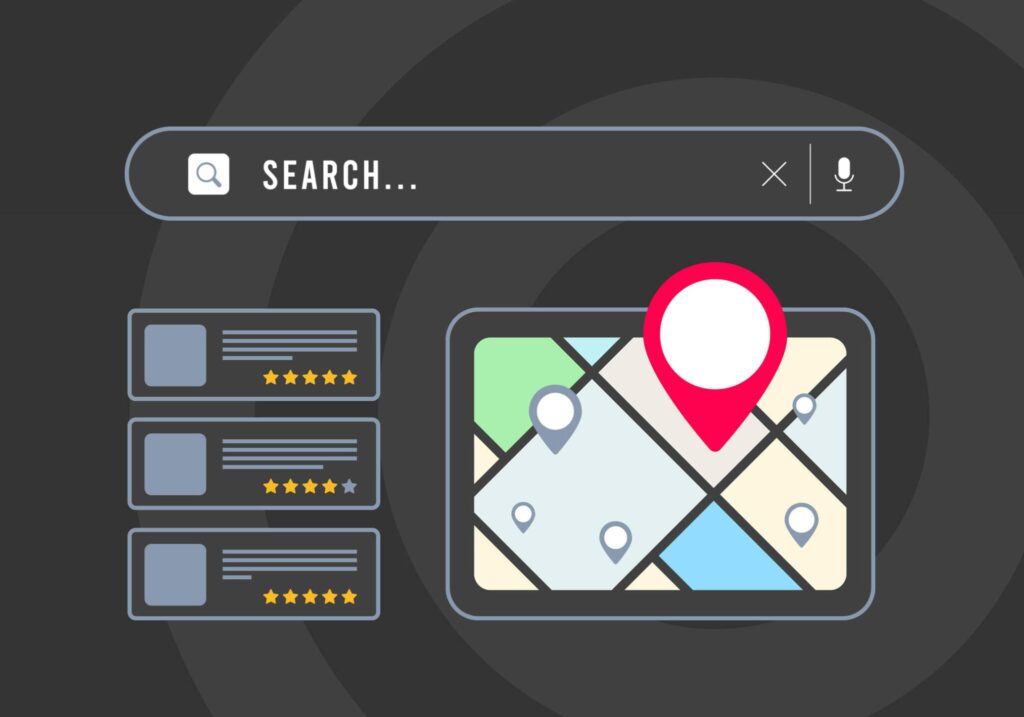
    search result with nearby places with star rating

    Local search optimization is a cornerstone for small businesses. In 2024, continue to set goals to optimize your Google My Business profile, incorporate location-based keywords in your website content, and encourage customer reviews. A strong local SEO strategy ensures that your business appears prominently when potential customers in your area are searching for products or services you offer.

    With the proliferation of voice-activated devices, optimizing for voice search is essential. Queries entered via typing often adopt a minimalist approach, employing the fewest words necessary, for instance, “best med spa Calgary.” However, in the realm of voice search, users anticipate a more conversational interaction, posing grammatically correct questions like “which is the best med spa in Calgary?”

    To optimize for voice search rankings, it’s essential to construct a response that sounds natural, creating an impression that a genuine person comprehended and addressed the inquiry.

    For 2024, set goals to research and integrate voice search keywords and create more conversational forward content. This proactive approach will help your local business maintain visibility in search engine local results.

    7. Video Marketing Dominance

    Video content continues to be a dominant force in digital marketing in 2023. According to Statistica, digital video advertising spending is expected to reach $120 billion in 2024.

    Set goals to create high-quality, engaging videos across platforms, incorporating live streaming, interactive content, and short-form videos. Video marketing not only boosts engagement but also enhances your brand’s storytelling capabilities.

    8. Invest in Paid Advertising Smartly

    While organic strategies are vital, paid advertising can provide a significant boost. Set goals to identify the most effective channels for your business, whether it’s Google Ads, Facebook Ads, or other platforms. Target your ads specifically to local demographics, increasing the chances of reaching potential customers in your area.

    Let’s look at the predicted advertising trends for 2024 from Google. With the transition away from third-party cookies in the second half of 2024, advertisers will need to rely on first-party data. One way to do this is through Google’s Performance Max’s new customer acquisition goal with its online and offline customer match data.

    Final Thoughts

    As we embark on a new year in digital marketing, setting strategic and forward-thinking goals is essential for staying competitive and achieving success. Embrace technological advancements, prioritize customer experience, and adapt to evolving trends to ensure your brand not only survives but thrives in the dynamic digital landscape of 2024.